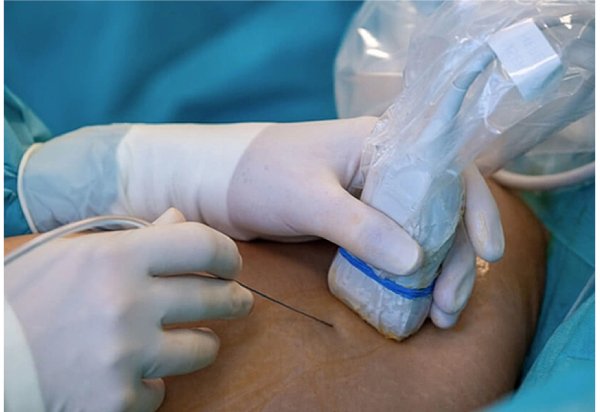
Endovenous laser therapy is a minimally invasive surgical procedure for treating varicose veins. This procedure is an alternative to traditional vein stripping and ligation. The laser can be inserted into the vein via puncture. The laser then seals the vein from the inside, causing it to close. This procedure is performed on an outpatient basis under local anesthesia in our practice every Wednesday. It is important for the postoperative course that you wear your compression stockings continuously for ten days.
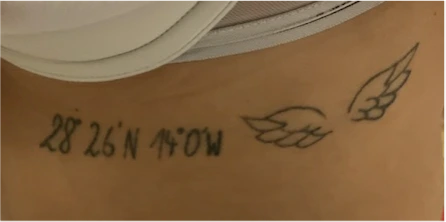
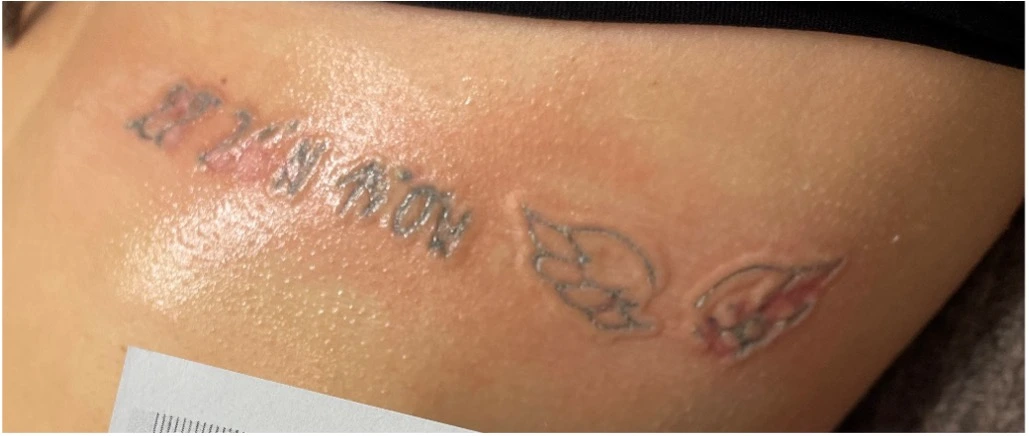
We have a laser system that can remove tattoos and permanent makeup of all colors. All lasers are characterized by very short pulse durations of a few nanoseconds. This generates a photoacoustic effect that shatters the color pigments of the tattoo without damaging the surrounding tissue.
After laser removal, it is important to avoid hot water, tanning beds, and saunas. Furthermore, proper skin care is crucial for uncomplicated healing.
A side branch phlebectomy is a minor outpatient procedure performed under local anesthesia to remove superficial varicose veins. The varicose veins are pulled out through minimal incisions on the leg using a hook. The incision sites are sutured surgically. A follow-up examination, including suture removal, will take place at our practice 10-14 days after the procedure. Between the surgery and suture removal, you must wear your compression stockings continuously during the day and also at night.
Spider vein eradication (sclerotherapy) is an outpatient procedure to remove small, visible veins by injecting a sclerosant solution that causes the vein wall to stick together, shrinking the vein and allowing the body to break it down. This is usually done with fine needles and often with special lighting for better visibility. Afterwards, a compression stocking is worn for a period of time to support the results. Post-treatment care includes sun protection and avoiding heat.
As an alternative to foam sclerotherapy, it's possible to ablate spider veins using a skin laser. This procedure doesn't require puncturing; the laser simply needs to glide over the skin. This method is particularly recommended for very fine spider veins.
First, an ultrasound examination and consultation must take place. Only then can a spider vein sclerotherapy appointment be scheduled.
The broom thread ablation is performed as a hedgehog service and must be paid for privately by you.
As an alternative to foam sclerotherapy, it's possible to ablate spider veins using a skin laser. This procedure doesn't require puncturing; the laser simply needs to glide over the skin. This method is particularly recommended for very fine spider veins.
First, an ultrasound examination and consultation must take place. Only then can a spider vein sclerotherapy appointment be scheduled.
The broom thread ablation is performed as a hedgehog service and must be paid for privately by you.
If there is an indication for surgical treatment of skin lesions, a pre-operative consultation will be held. The affected area of skin will be numbed using local anesthesia. The skin lesion will be cut out extensively, with a safety margin to healthy skin, and completely removed. This will be followed by a skin suture. You will need to wear a pressure bandage for two days post-operation. After two days, you may remove the pressure bandage and apply a normal plaster. The wound must not get wet until the stitches are removed. The follow-up examination and stitch removal typically take place 10-14 days after the operation. The removed skin lesion will be sent to the laboratory for pathological examination.
For some skin changes, laser treatment is sufficient. In this procedure, the skin change is targeted with a skin laser and thus burned. Multiple sessions are usually required for this, which can take place every 21 days. After undergoing laser treatment, you must not shower with hot water, go to a tanning bed, or go out in the sun for 21 days. The affected skin area must be treated daily with a panthenol ointment.
Tumor excision means the complete surgical removal of a tumor, usually with a margin of healthy tissue to ensure all diseased cells are eliminated. This is a standard treatment for many skin and soft tissue tumors, where the extent of removal (excision) varies depending on the type of tumor. The tissue is locally numbed using local anesthesia. The tumor is cut out and the wound is closed with stitches. For larger tumors, a drain is placed to allow blood to drain. This must be removed the following day. Follow-up is usually done with suture removal 10-14 days after surgery.
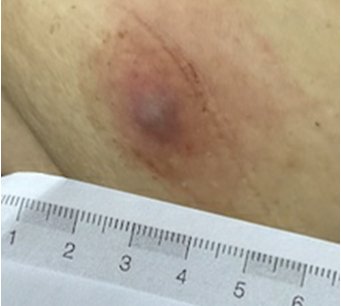
An abscess surgery (abscess incision and drainage) is a minor surgical procedure in which we open the abscess under local anesthesia, drain the pus, and clean the wound. After an abscess, the wound must be treated openly for the time being due to the inflammation. A wound closure is not possible. Open wound treatment is usually done with vacuum therapy.
Vacuum-assisted closure (VAC therapy, negative pressure wound therapy) is a modern wound treatment in which controlled, slight negative pressure is applied to the wound via a special dressing to suction wound fluid (exudate), promote blood circulation, reduce infections, and accelerate the formation of healthy tissue (granulation tissue), which significantly improves the healing of chronic wounds such as those associated with diabetic foot syndrome, pressure ulcers, or post-operatively. This method reduces the frequency of dressing changes, improves quality of life, and is increasingly being performed on an outpatient basis.
Diabetic foot syndrome (DFS) can lead to amputations if wounds do not heal due to nerve damage (neuropathy) and circulatory disorders, resulting in severe infections and tissue death (necrosis). This also poses a risk of inflammation spreading. Amputations are often performed only as a last resort to save the body, and frequently only small parts of the foot (toes) are removed to preserve function. Minor amputations, such as of the toes, can be performed in our practice on an outpatient basis and under local anesthesia. For this, an examination of the wound and blood circulation is conducted beforehand before considering amputation.
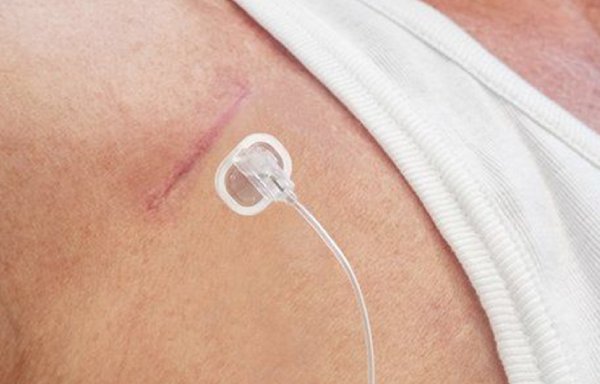
A port system is a catheter system implanted under the skin, which provides permanent, secure access to the venous or arterial vascular system and consists of a chamber with a silicone membrane and a connected catheter. It is used for long-term infusion therapies (chemotherapy, nutrition), blood draws, and contrast agent administration, to improve quality of life by avoiding painful, repeated venipunctures. The surgery is performed on an outpatient basis after a preliminary examination and a detailed surgical explanation.
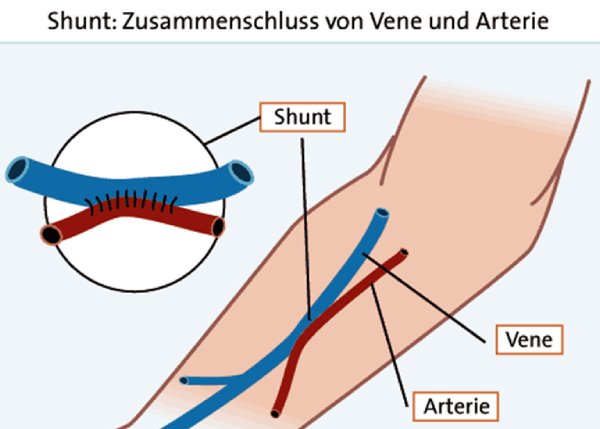
A shunt is an artificial or natural diversion (short-circuit connection) that moves fluids or blood between normally separate body areas, usually to bypass an obstruction or for improved access, as with dialysis shunts (arteriovenous connection for blood purification). Creating a shunt usually means surgically connecting an artery and a vein (often in the forearm). The operation is performed on an outpatient basis after an examination and a detailed surgical explanation.
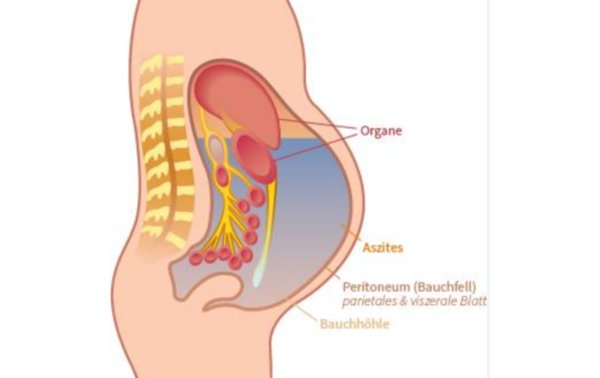
Medics refer to ascites as an abnormal accumulation of free fluid in the abdominal cavity. A common term for ascites is "dropsy of the belly." Ascites is not a standalone disease but a symptom of serious conditions. In most cases, dropsy of the belly is a consequence of liver cirrhosis. The second most common cause is cancer. To relieve the patient, an ascites drain is inserted during an outpatient procedure. This helps to remove the abdominal fluid from the body and relieve pressure.
Wound debridement (also known as débridement or wound cleansing) is the removal of dead, infected, or heavily sloughy tissue from a wound to create a healthy wound environment and promote healing. In our practice, we perform surgical wound debridement on an outpatient basis to prevent further deterioration of the wound. This procedure is primarily performed for chronic wounds as well as for diabetic foot syndrome.
Surgical wart removal is an effective, but often last-resort method for stubborn warts, where the doctor scrapes or cuts out the tissue with a scalpel, scissors, or curette (sharp spoon), usually under local anesthesia.
A skin graft is a surgical procedure in which healthy skin is taken from one part of the body (donor site) and transferred to a damaged or missing area of skin (recipient site) to cover wounds, for example, after burns, major injuries, or skin cancer removal, with a distinction made between split-thickness grafts (only the upper layers) and full-thickness grafts (all layers), and circulation in the wound bed is crucial for the graft to take.
A Botox treatment (with botulinum toxin A) is a medical procedure in which the active ingredient is injected into a muscle to block its signal transmission from the nerve to the muscle, resulting in targeted muscle relaxation. This injection smooths wrinkles, leading to a more relaxed, youthful appearance. The costs are not covered by health insurance and must be borne by you. For an exact cost estimate, an examination with a detailed explanation of the procedure will be conducted first.
A filler treatment is a minimally invasive method for wrinkle reduction and volume correction, during which filling substances such as hyaluronic acid are injected under the skin to fill wrinkles, define contours (e.g., lips, cheekbones), and compensate for volume loss. The results are often immediately visible but temporary, as the body breaks down the substance, requiring repeated treatments. The costs are not covered by health insurance and must be borne by you. For an accurate cost estimate, an examination with a detailed surgical consultation will be conducted first.
An eyelid lift (blepharoplasty) is a surgical procedure to correct drooping eyelids and under-eye bags, which rejuvenates the appearance and makes tired eyes look more open by removing and tightening excess skin, fat, and muscle. It is usually performed on an outpatient basis with fine scars in the eyelid crease. The procedure is done under local anesthesia. The costs are not covered by health insurance and must be borne by you. A consultation with a detailed explanation of the surgery will be conducted beforehand to provide an exact cost estimate.