Lymphedema is a chronic condition caused by impaired lymphatic drainage, which can significantly reduce quality of life. Lymphedema treatment counteracts the worsening of the condition and often requires patience because it is complex, time-consuming, and may even be necessary for life. The therapy primarily aims to reduce swelling. Treatment can be carried out through lymphatic drainage and compression therapy. Without treatment, lymphedema worsens. In later stages, the skin becomes inflamed. Eczema forms due to lymphedema discovered too late.
Peripheral arterial vascular disease (PAD) is a circulatory disorder caused by narrowing of the arteries, i.e. the vessels that supply the body with oxygen-rich blood. A circulatory disorder in the legs leads to so-called intermittent claudication, which forces people to stand still due to pain in the legs. The muscles and organs are not supplied with sufficient oxygen and nutrients, especially when they are subjected to additional strain - such as when walking. The leg muscles therefore „complain“ with pain, the classic symptom of PAD. Deposits of fat and calcium form, mostly in the legs, less frequently in the arms, with tobacco consumption being one of the most important risk factors. However, increased blood lipids, high blood pressure and diabetes can also contribute to vascular deposits, known as arteriosclerosis. These lead to constrictions and even arterial occlusions. An important element in the treatment of a PAD patient is the treatment of the risk profile (nicotine cessation, adjustment of blood sugar, blood pressure and cholesterol). Medication, structured walking training and various surgical procedures are available to improve blood circulation. An individual treatment plan is discussed for each patient so that optimal therapy can be carried out.
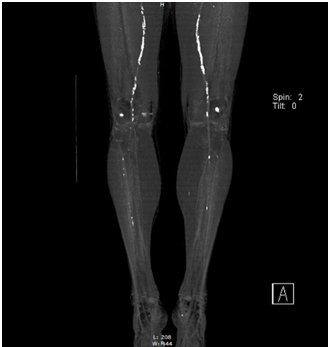
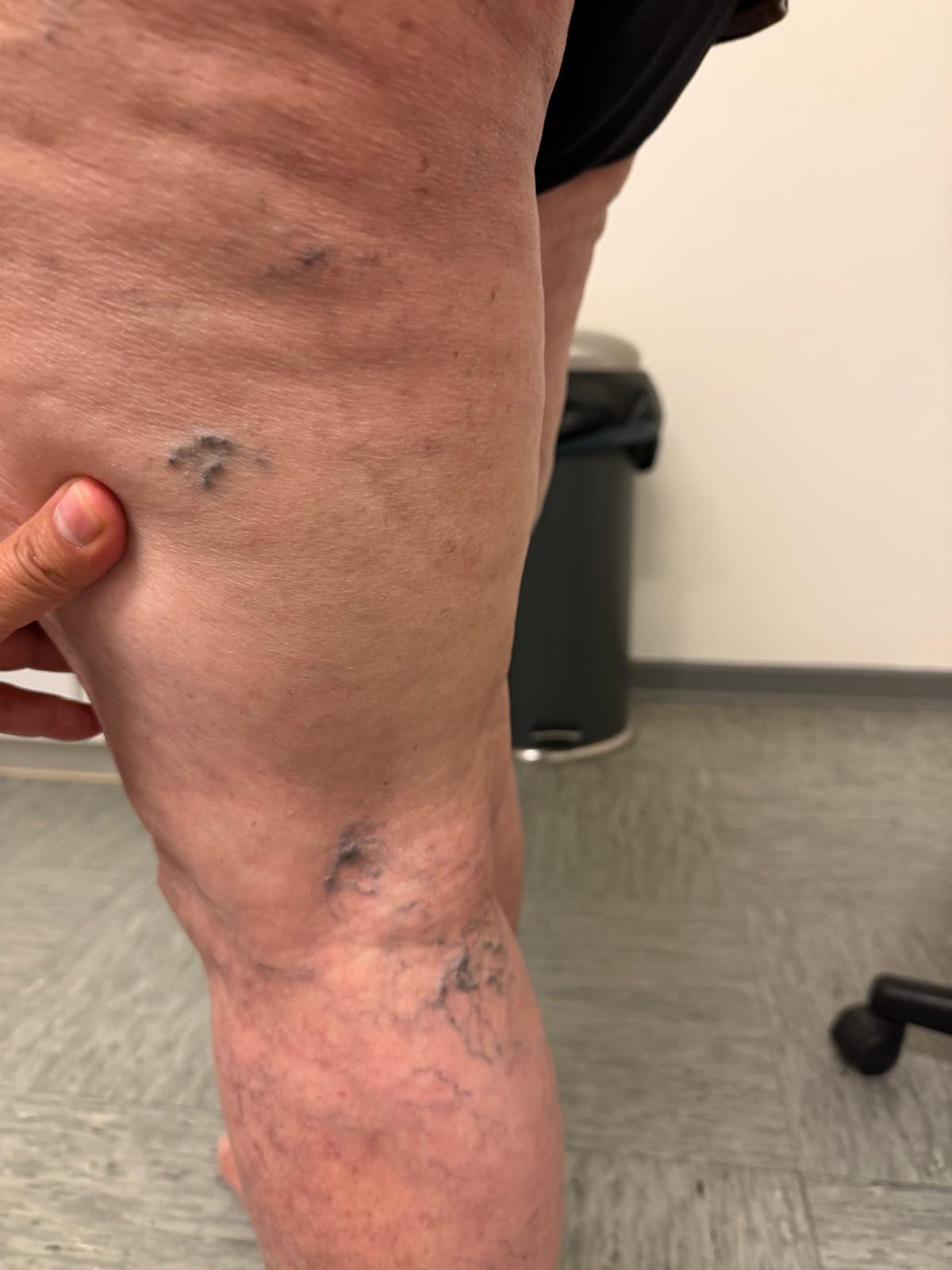
The main cause of varicose veins is an congenital weakness of connective tissue, which leads to a loss of valve function in the superficial veins through dilation of the vein wall. As a result, enlarged, twisted veins appear on the legs, known as varicose veins (varices). If left untreated, varicose veins can lead to secondary diseases such as skin discoloration, stasis eczema, vein inflammation, and even venous ulcers due to the development of venous hypertension in the leg. Relapsing varicosity is when varicose veins reappear after successful therapy. Surgical removal of varicose veins is recommended. Treatment for varicose veins consists, depending on the indication, of prescribing compression stockings or surgical removal via a branch vein surgery or endovenous laser ablation.
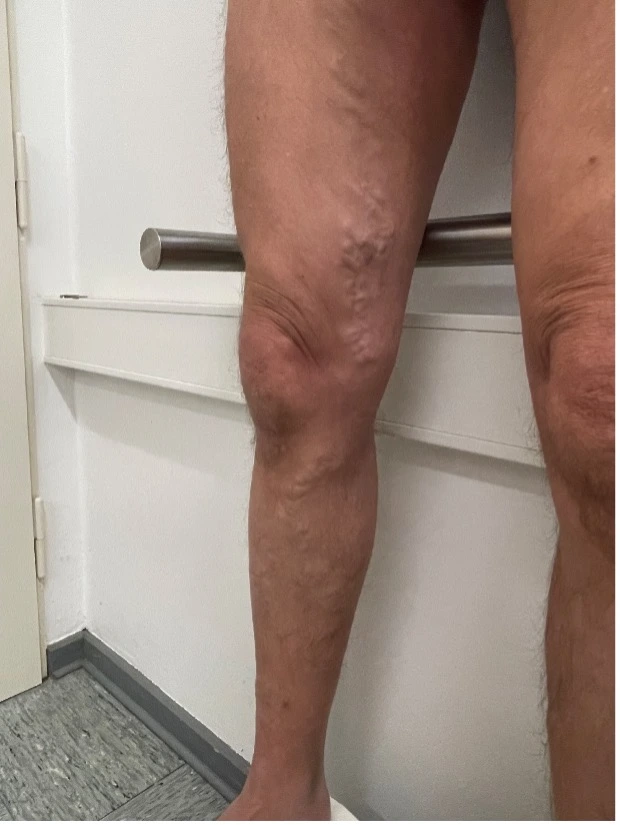
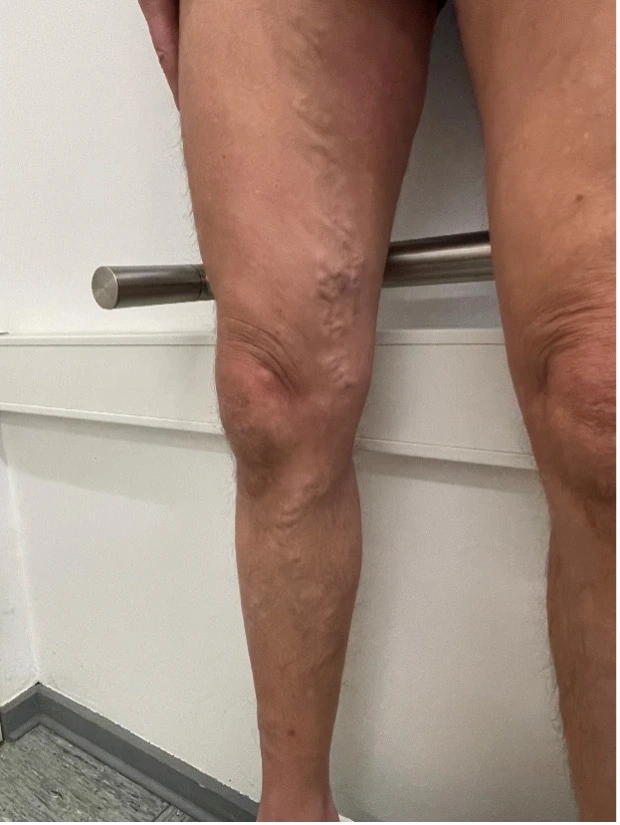
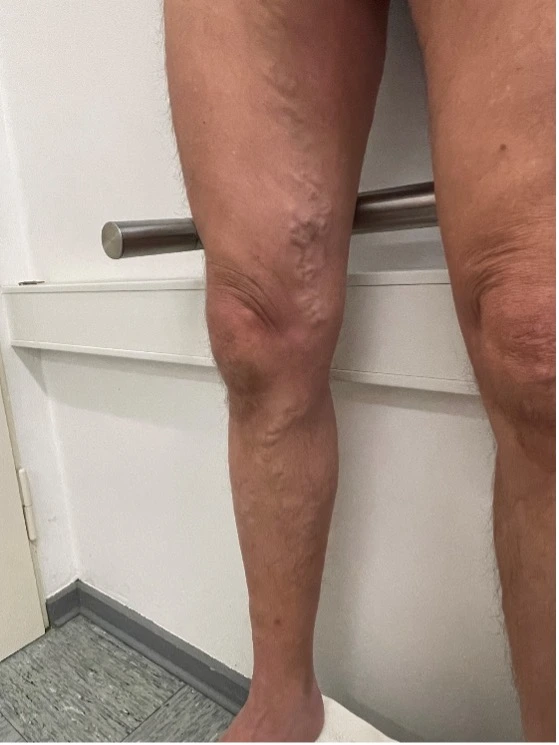
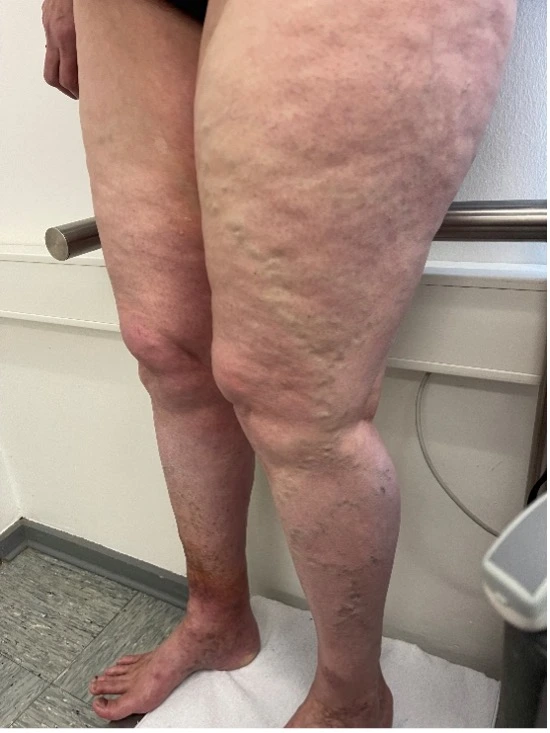
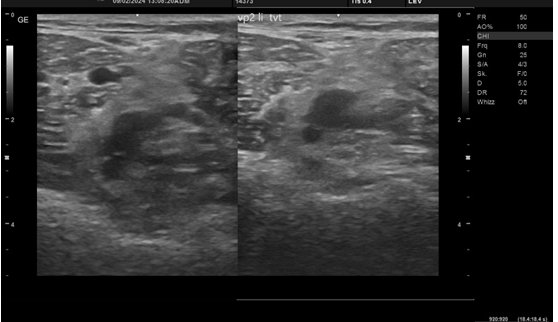
A deep vein thrombosis occurs when a thrombus (blood clot) forms in a vein. This most commonly happens in the legs, though in rare cases, DVT can also occur in the arms. This blood clot obstructs the vein, preventing blood from flowing properly through it. With DVT, there is a risk that the thrombus may dislodge and travel to the lungs, where it would trigger a pulmonary embolism. For the treatment of DVT, medication, typically with blood thinners (e.g., Eliquis, Xarelto), and compression therapy using custom-made compression stockings are most commonly used.
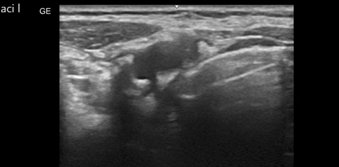
Carotid stenosis is a narrowing of the carotid artery, which in most cases is caused by plaque buildup in the blood vessels. It can be one of the causes of a stroke. Risk factors include smoking, high blood pressure, and high cholesterol levels. Treatment is decided based on the extent of the narrowing and the patient's overall health condition. Options include conservative therapy and surgical therapy (e.g., stent implantation, endarterectomy, bypass, etc.).
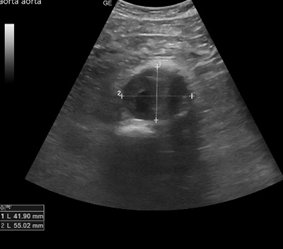
The main artery (aorta) is the strongest blood vessel in humans. It runs through the chest and abdomen. Over the course of a lifetime, the main artery can stretch and form a bulge. Once the bulge is there, it does not go away. If the main artery in the abdominal cavity stretches by at least half of its normal diameter at one point, it is called an abdominal aortic aneurysm. It usually causes no symptoms and therefore goes unnoticed. The therapeutic measure depends on the size of the abdominal aortic aneurysm. If the aneurysm is larger than 5.5cm in men and larger than 4.5cm in women, surgery (e.g., Y-graft or stent) is recommended, as there is an increased risk of rupture.
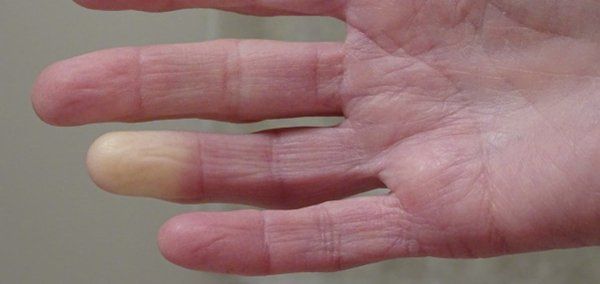
Raynaud's syndrome is a vascular disease that leads to sudden, painful circulatory disorders, mostly in the fingers and toes. It is triggered by cold or stress, causing color changes (white, blue, red) and numbness. Diagnosis is clinical and usually supported by ultrasound. Raynaud's syndrome is primarily treated by avoiding cold and smoking. In some cases, treatment can be provided in our practice with blood thinners or a 14-day outpatient prostavasin infusion.
Vasculitis is a general term for inflammation of blood vessels. In this condition, the immune system attacks the body's own blood vessels. In most cases, these are generalized autoimmune diseases, meaning conditions that do not manifest in just one organ. If the disease is detected too late, life-threatening damage to organs can occur.
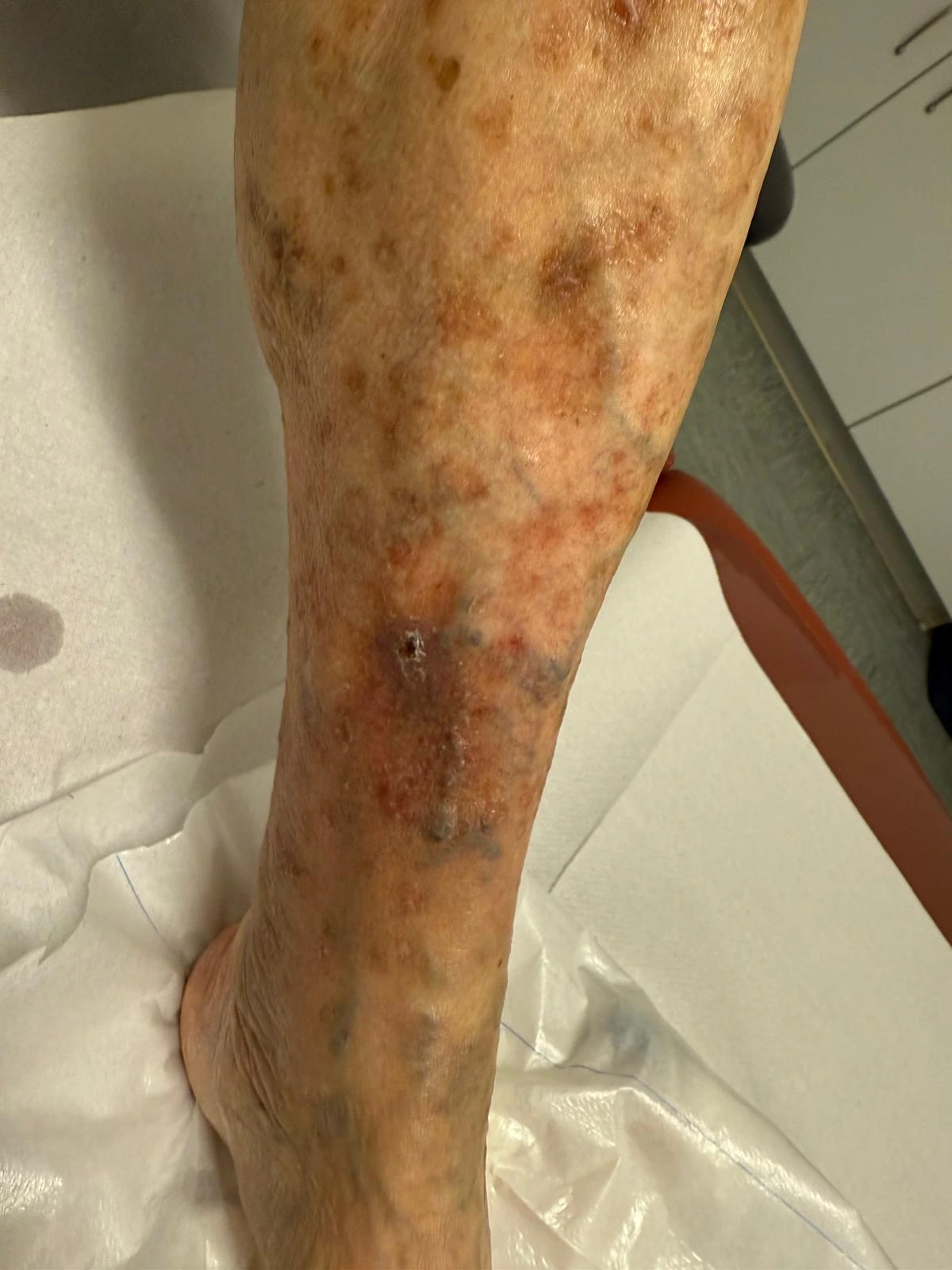
An ulcer is a deep tissue defect of the skin caused by circulatory disorders, varicose veins, immune responses, or tumors, and often heals with difficulty. Treatment involves close wound monitoring and daily dressing changes. In some cases, the underlying cause must also be treated in addition to wound care.
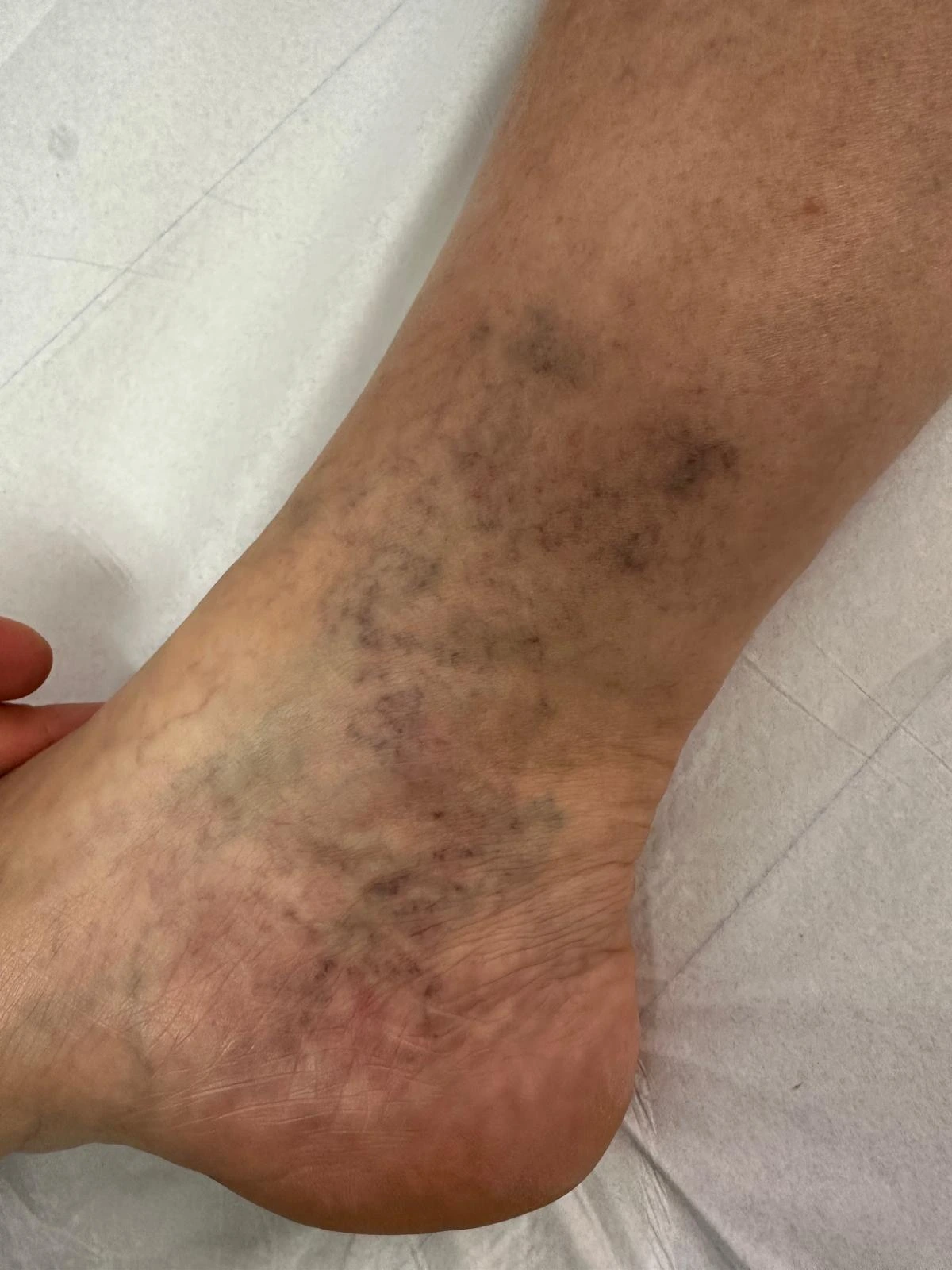
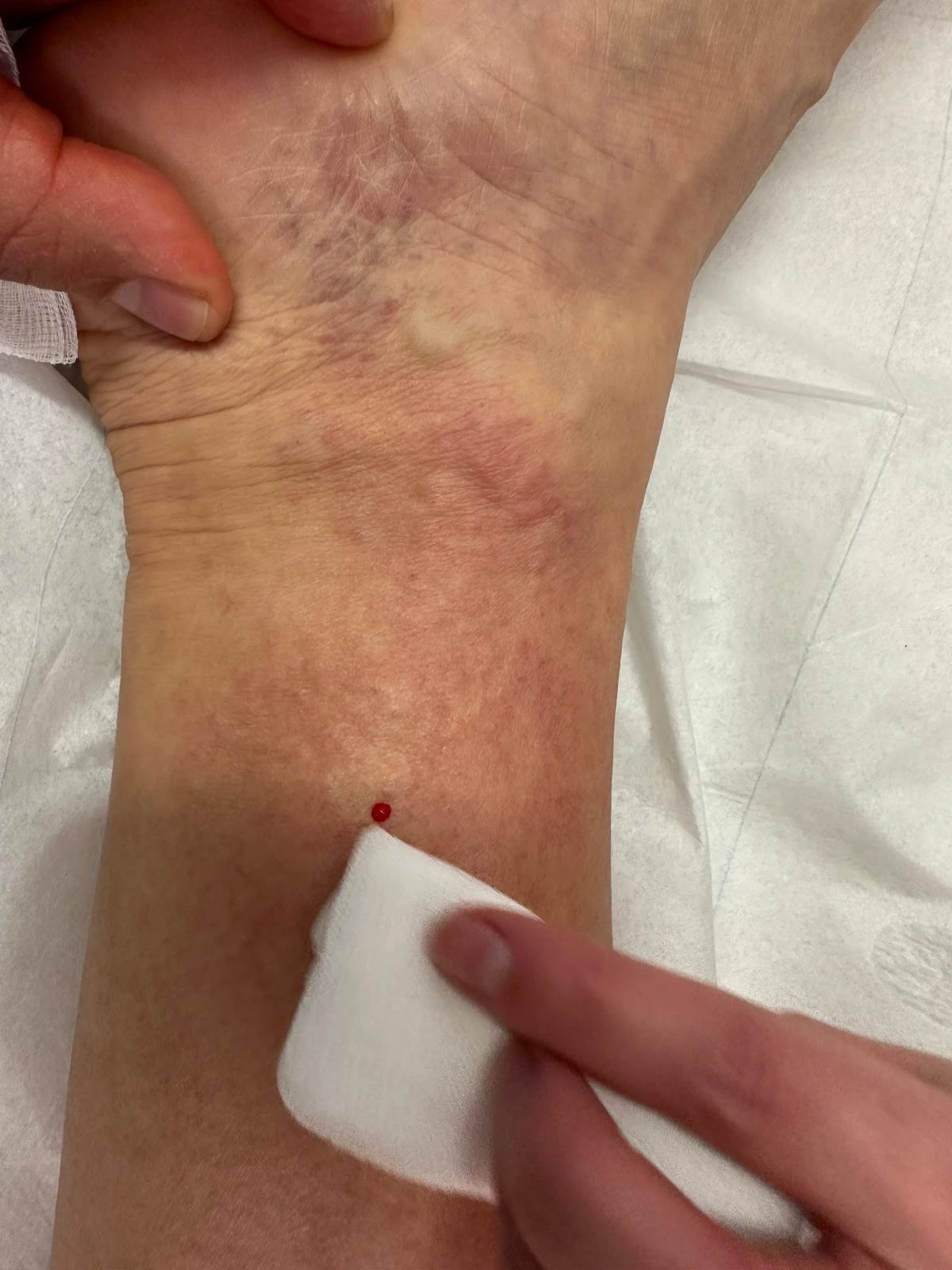
Edema is swelling caused by fluid buildup in the tissue (often water), resulting from an imbalance between fluid supply and drainage. It can affect areas such as the legs, arms, face, or lungs, with symptoms like heaviness, tightness, and pitting. Edema can be localized or affect the entire body and is a sign of an underlying cause, such as heart, liver, or kidney problems, or lymphatic drainage disorders. Edema is treated using compression therapy and manual lymphatic drainage.
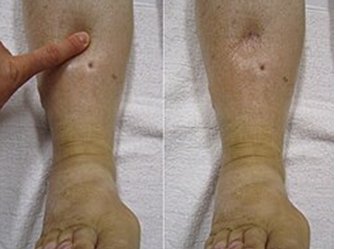
Lipedema is a chronic and painful adipose tissue distribution disorder that occurs almost exclusively in women, affecting the lower extremities as well as the arms. The typical signs of lipedema include feelings of tension and pain in the legs. Patients also suffer from high sensitivity to touch. Nodules are visible in the tissue. Lipedema can place a significant physical and psychological burden on patients.
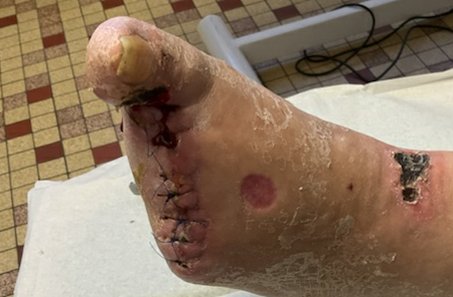
Characteristic of the diabetic foot is the increased occurrence of open, poorly healing wounds, which can become infected and, in the worst case, attack the soft tissues and bones. The earlier wounds on the foot are recognized and treated, the higher the chances of preserving the foot. Due to the delayed healing, treatment requires a lot of patience. However, complete healing can be achieved with intensive and consistent wound therapy. For this to happen, however, good cooperation between the patient and the treating physician is of the highest priority.
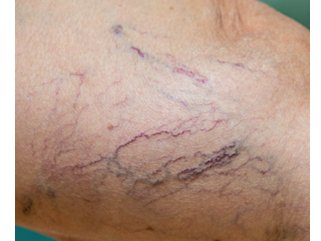
Spider veins are dilated, superficial veins in the skin. They are usually harmless. Only in rare cases is there a disease of the deeper veins. They often appear as a blue or reddish spot. On closer inspection, you can see very fine hair vessels arranged like a spider's web in the skin. Feather-shaped to fan-shaped or only sporadically arranged, very fine veins are also common. The term spider veins is due to the type of arrangement and configuration of the tiny vessels. As one could also think of brushwood brooms, the term spider veins was coined a long time ago. There are various methods we use to remove spider veins: you can inject an agent into the tiny veins to obliterate them. The technical term for this procedure is sclerotherapy. The medication causes the vein walls of the spider veins to stick together and stop being supplied with blood. They are slowly broken down by the body and fade after a few weeks. Sometimes the skin in the affected area may turn brownish. After cauterization, you should wear a suitable compression stocking for a few days. In most cases, a single treatment is not enough and you will have to undergo it several times. An alternative is laser therapy. Here, the spider veins are obliterated by the energy of the laser. The procedure is suitable for very fine veins. Lasering does not leave scars, but pigment changes to the skin can also occur. The patient must also wear a compression stocking for a certain period of time afterwards and schedule several treatment appointments.
In thoracic outlet syndrome (TOS), there is a narrowing between the first rib and the collarbone. This compresses nerves or blood vessels in the upper chest with massive pressure. The narrowing can be congenital, but can also be exacerbated by certain lifestyles and work habits. Poor posture, intensive training such as bodybuilding, or accidents can trigger this syndrome. Generally, a conservative therapy attempt is made first before surgery is considered. Conservative therapy can consist of physiotherapy and posture training, for example.
Thrombophilia refers to a genetically determined predisposition to the formation of blood clots within blood vessels (thrombosis). The diagnosis is made using a blood test.